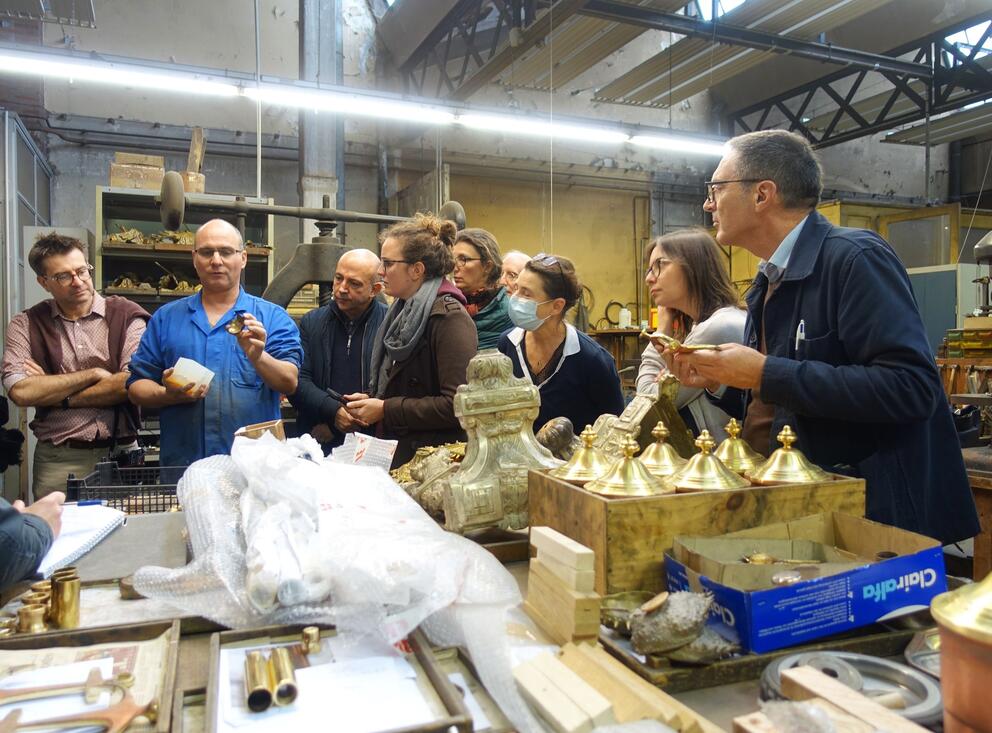
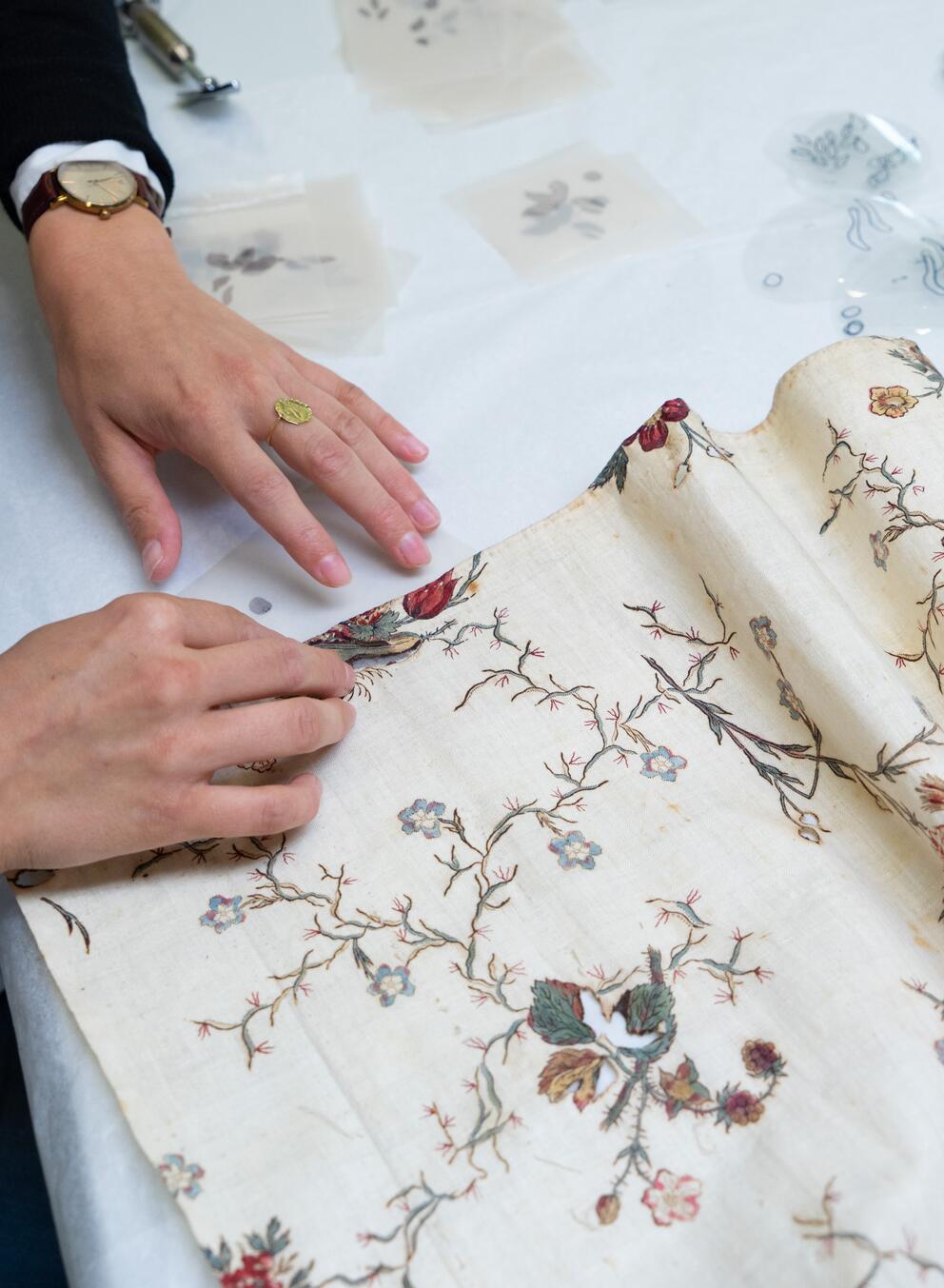
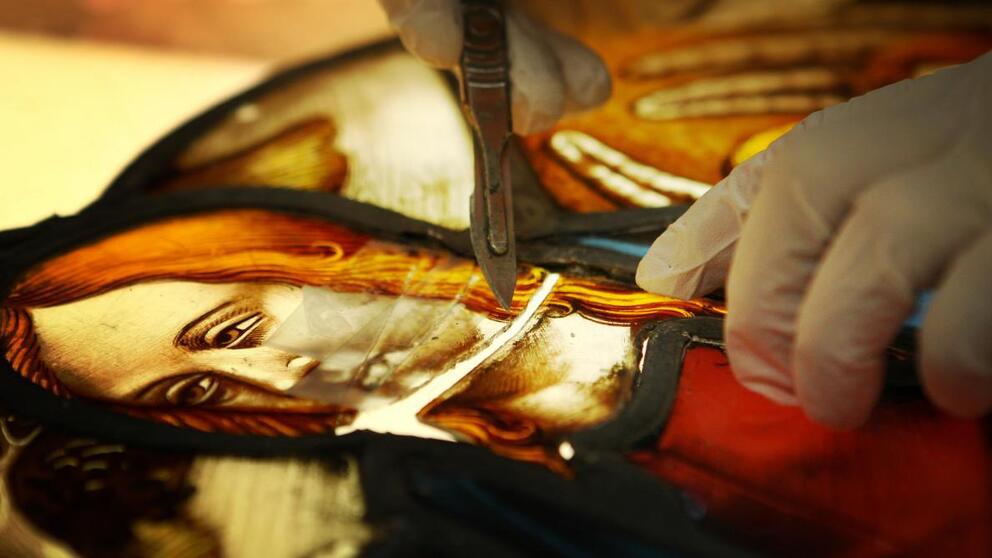
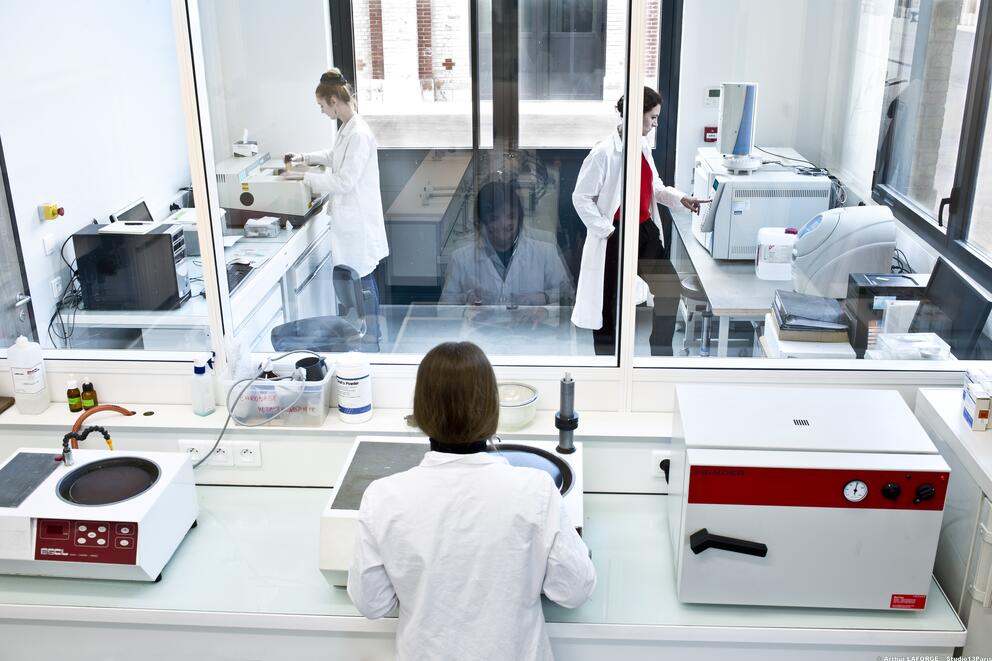
The Institute is committed to implementing a proactive policy of environmental responsibility and consequently strives to set an example and promote more responsible behaviour in its day-to-day operations and professional activities.
Initial Training and Continuing Education
While there is no specific module devoted to sustainable development in the training of student curators and conservator-restorers, the issue is addressed in various modules of the core curriculum.
For example, as part of the applied training for student curators, the Heritage Law module provides an opportunity to address environmental law through round-table discussions and case studies; similarly, in the Conservation-Restoration module, the challenges of sustainable development are covered as part of the theoretical curriculum.
A research seminar organized with the École du Louvre also provides a theoretical approach and an overview of sustainable development practices applied to heritage.
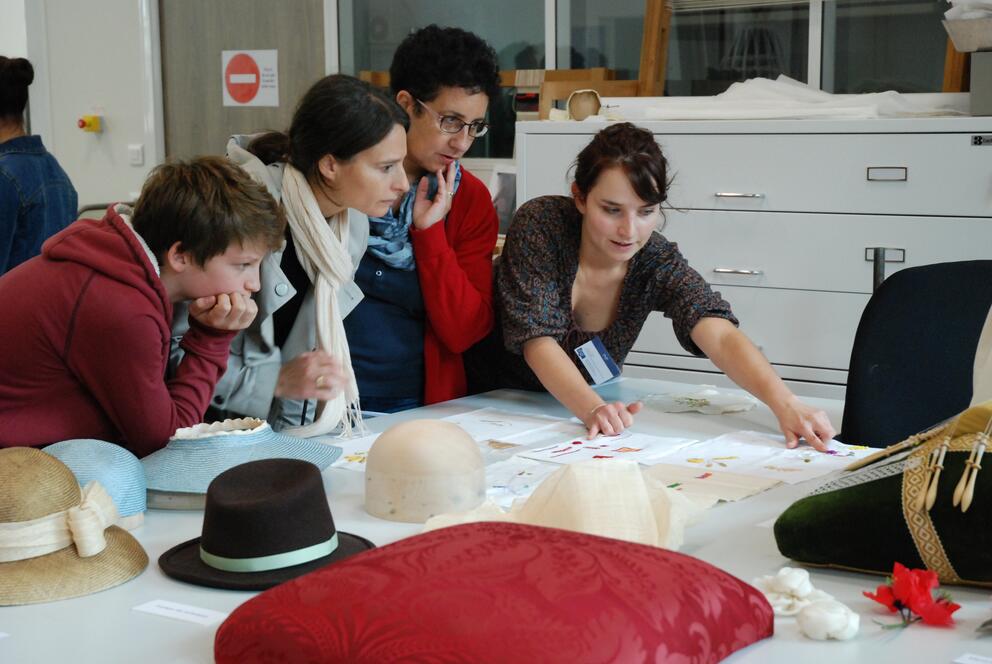
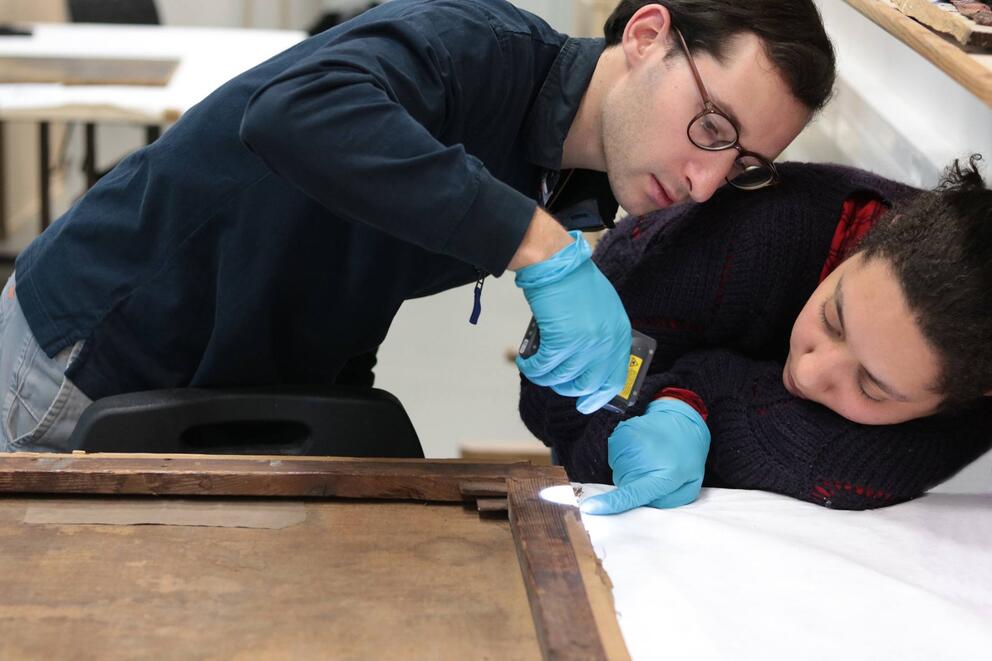
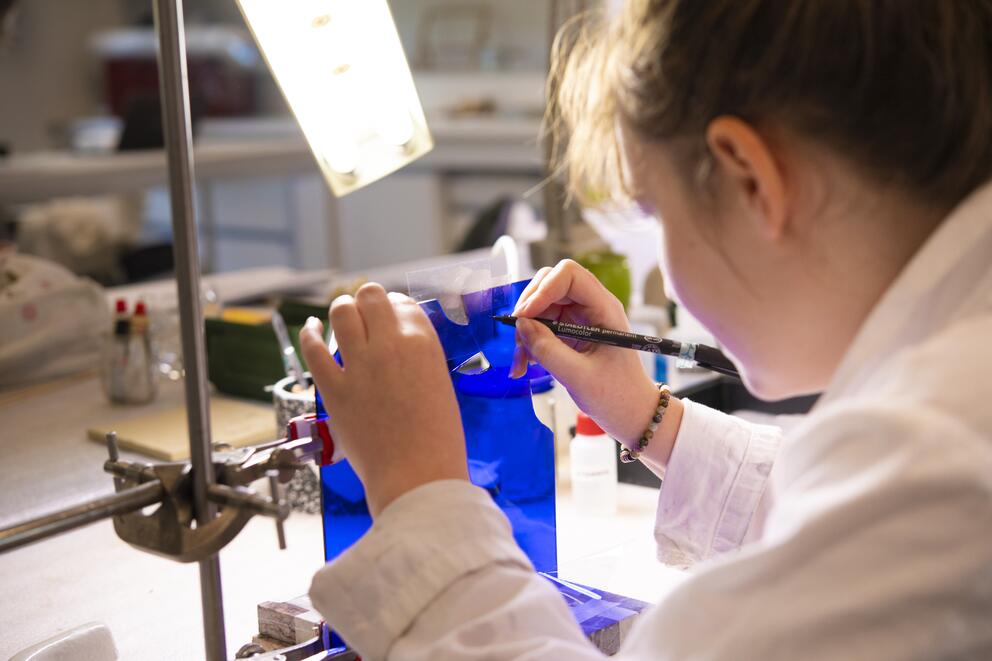
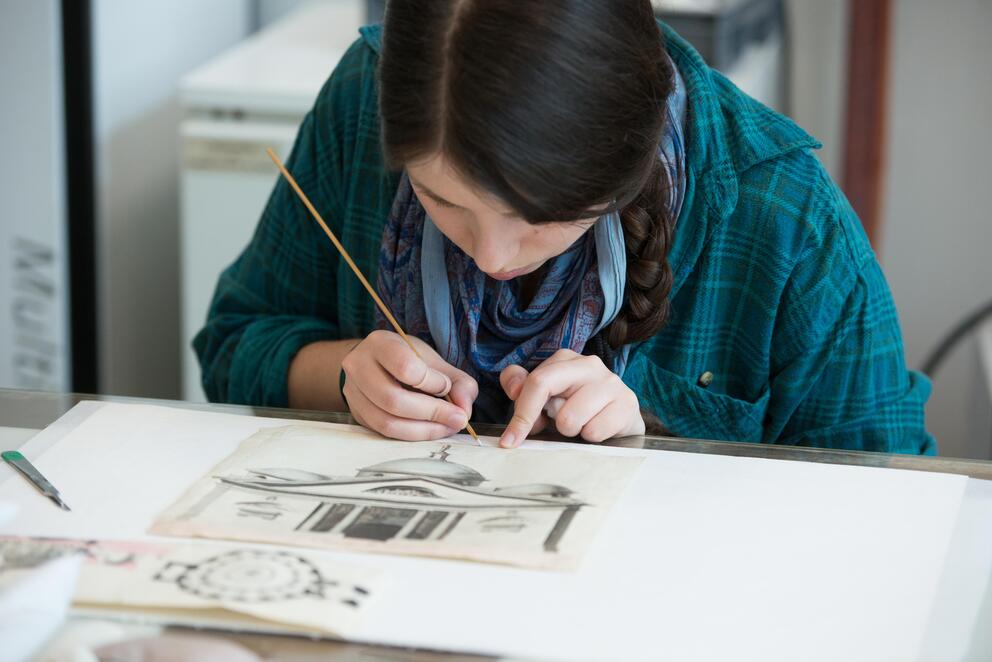
In the department of conservator-restorers, teaching focuses on the prevention of toxicological risks in professional practice and the understanding of the materials used. The professionalization seminar for 5th year students includes a day devoted to the issue of sustainable development. Future graduates discuss concrete measures for changing workshop practices and modes of travel, as well as the search for eco-responsible products and solvents.
As early as 2011, the Institute proposed an initial program for raising awareness among heritage professionals of the challenges of sustainable development. The issue of sustainable development was first addressed from the point of view of materials and products, and harmlessness/toxicity to humans and the environment. Initial discussions focused on the professions in conservation-restoration and preventive conservation. The question of exhibitions was then considered, with consideration being given to the impact on conditions for installing, transporting works of art, etc.
Today, heritage conservation is undergoing a complete overhaul with a view to reconciling professional activities and practices with the challenges of sustainable development and eco-responsibility, while meeting the imperatives of preserving museum objects.
Today's continuing education offering provides training for heritage professionals, in 2023 for example, in the energy and environmental improvement of old buildings, eco-design of exhibitions, and also in the promotion of cultural heritage for tourism while questioning the economic, social, cultural, and environmental sustainability of these practices.
A more responsible way of working
The Institute's action in favour of sustainable development is also reflected in its internal operating rules: purchasing policy, approach to reuse, business travel arrangements and encouragement for sustainable mobility, attention paid to the quality of food for staff, consideration given to a responsible digital strategy.
The Prime Minister's circular n°6145/SG dated February 25, 2020 relating to the State's commitments to eco-responsible public services lists 20 mandatory commitments to be implemented by administrations. Each year, the Institute produces a report on the actions taken in this context.